Functional Mushrooms: What They Actually Do
Not every mushroom is psychedelic, or culinary. There exists a 3rd medicinal and highly potent class of mushrooms.
Functional mushrooms are non-intoxicating fungi used as food and supplements because they contain naturally occurring compounds such as beta-glucans, polysaccharides, triterpenes, polyphenols, and other bioactive compounds that are being studied for their effects on normal body functions.
Some mushrooms have been used for centuries as food and traditional medicine, while modern research is exploring how their unique compounds may support everything from cognitive function and immune health to energy, stress resilience, and the gut microbiome.
The research is ongoing and captivating. Some mushrooms have human clinical studies behind particular uses; others are supported primarily by laboratory or animal research. Yet all give way to more clues of how these compounds interact with systems throughout the body, including the immune system, nervous system, metabolism, and gut microbiome.
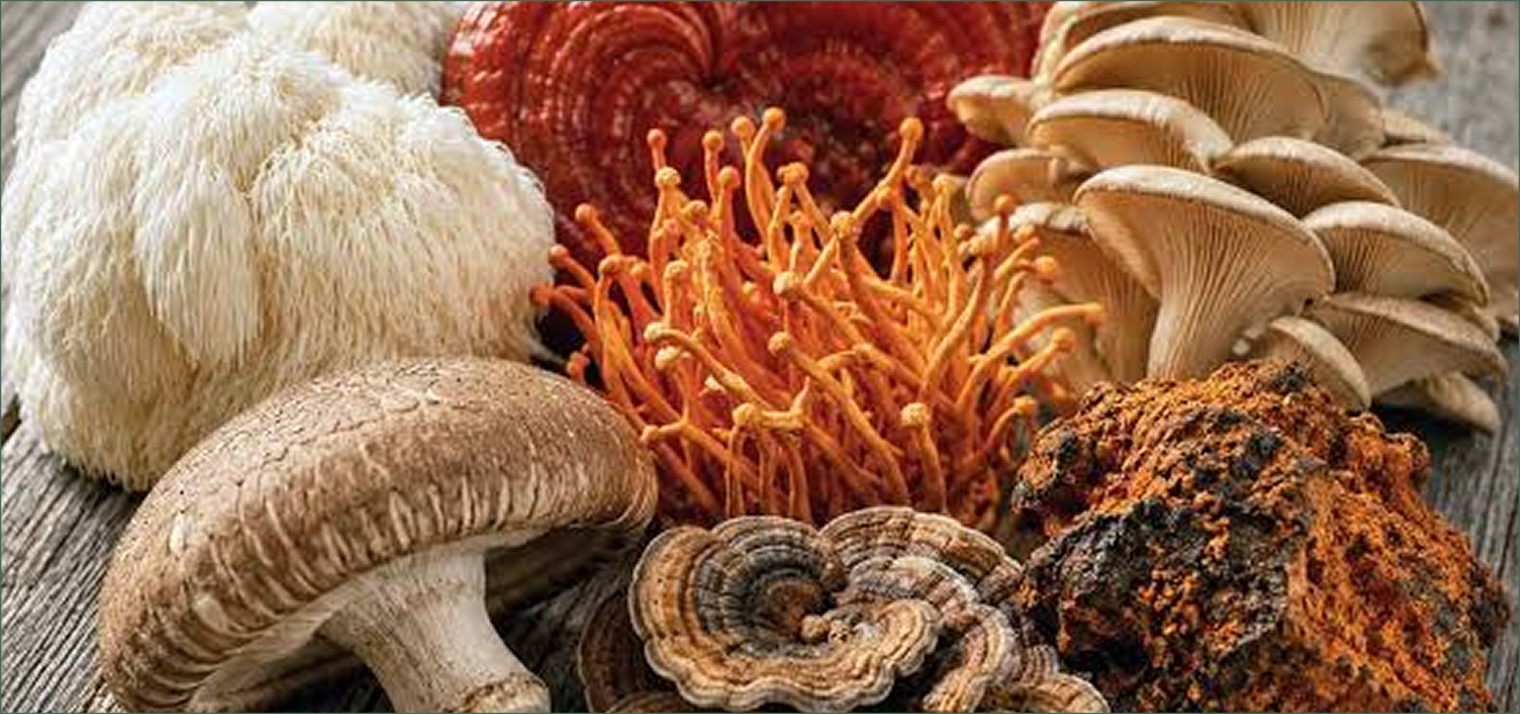
Four mushrooms. Four different functions.
Lion’s Mane (Hericium erinaceus)
Primarily studied for cognitive function and nervous-system support. Human trials have reported improvements in measures of cognitive function, although larger and longer studies are still needed.
Reishi (Ganoderma lucidum)
Has a long history in East Asian traditions and is being studied for its immune, inflammatory, and stress-related effects. It’s often associated with grounding and restoration. It also contains triterpenes and polysaccharides that have been studied for their effects on immune and inflammatory pathways. Reishi is best understood as a traditional wellness mushroom with an emerging research base.
Chaga (Inonotus obliquus)
Rich in polyphenols and other antioxidant compounds. Its rich in these antioxidant compounds and is being investigated for antioxidant and immune-supportive activity.
Cordyceps (Cordyceps militaris)
Being studied for exercise performance, endurance, energy metabolism, and oxygen utilization. It is the mushroom of movement. Research is exploring its potential role in optimizing performance in a very unique way.
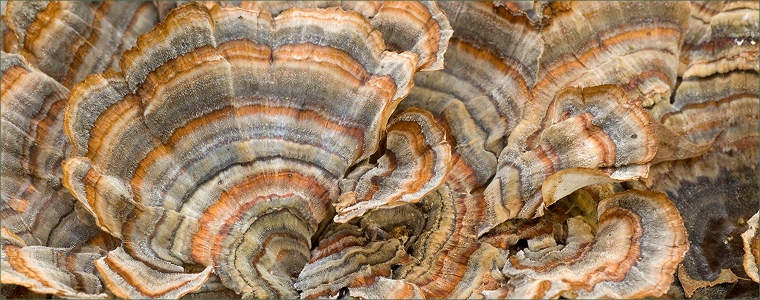
Turkey Tail (Trametes versicolor)
rich in polysaccharides including polysaccharopeptide (PSP). In a randomized clinical trial of healthy adults, PSP produced clear changes in gut microbiome composition consistent with prebiotic activity.
Why the mushroom itself matters
Not all mushroom supplements start with the same material.
Some products use mycelium cultivated on grain, and the finished material may contain both fungal biomass and the grain substrate. Others use the fruiting body the actual mushroom.
We use fruiting bodies because we want to know exactly what we’re working with and care deeply about the quality of our offerings. We also state the amount plainly: 1,000 mg of dried mushroom per 1 mL serving.
No proprietary blend hiding the individual amounts. No mystery math.
Why tinctures?
Mushrooms contain compounds with different chemical properties, which is why extraction matters. Water and alcohol can pull different compounds from the mushroom, and extraction methods can influence the resulting profile.
Our tinctures use a dual-solvent, triple-extraction process with water and organic cane alcohol, enhanced with ultrasonic extraction technology. The alcohol is subsequently removed, and the concentrated extract is freeze-dried before being homogenized into a vegetable glycerin base.
The result is an alcohol-free liquid extract that fits easily into everyday life.
Drop it under your tongue. Stir it into coffee or tea. Add it to a smoothie.
No capsules. No handful of pills. Just mushrooms, made easy to incorporate into your ritual.
The point isn’t to take everything.
There isn’t one “best” functional mushroom.
Maybe you’re interested in Lion’s Mane for cognitive support. Maybe Cordyceps fits your active routine. Maybe Reishi belongs in your evening ritual. Maybe Chaga is the mushroom you reach for as part of your everyday antioxidant routine.
A great rule of thumb for functionals is generally to choose based on what you’re looking to support.
Functional mushrooms aren’t about chasing a quick feeling. They’re about creating small, consistent rituals that support the body and mind you’re already living in.
Know your mushroom. Know your dose. Make it part of your ritual.